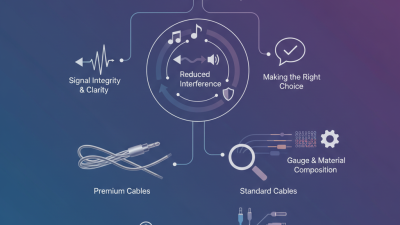
In the fast-changing world of audio tech, picking the right Stereo Jack can really make a difference in how good your sound feels. Experts like John Harris, who's a senior engineer over at AudioTech Solutions, always stress how important it is to choose the right kind. I remember him once saying, “Getting the right Stereo Jack can seriously boost your audio experience—way beyond what you might expect.”
As we head towards 2026, it’s actually pretty important to get a handle on the differences between various models out there. The market is full of options, from the tiny 3.5 mm Cable Jack that's super portable, to the beefier 6.3 mm version often found in studios because it’s built to last. Each one has its own purpose. Like, the 3.5 Mm Jack is great if you're always on the go, while the 6.3 mm is more about durability and professional use.
But here’s the thing—not all jacks are created equal, and mixing and matching with different gear can sometimes be a headache. You really need to think about whether they’re compatible and what kind of sound quality you’re getting. Messing this up can lead to some seriously frustrating audio stuff, which makes you step back and rethink how you're choosing your gear. With a little good info, picking the right Stereo Jack isn’t just smart—it’s pretty much key to getting the best sound possible.

Understanding Stereo Jack Types: A Comprehensive Overview
When selecting the best stereo jack type for your needs, it's essential to understand the variety available. The most common types include 3.5mm, 6.35mm, and balanced XLR connectors. Each has unique advantages based on usage. For casual listening, a 3.5mm jack may be sufficient. In contrast, professional audio often requires XLR for its superior sound quality and balanced signal.
For enhanced audio clarity, consider using a balanced connection. It reduces interference and noise, especially in long cable runs. This can be crucial in environments with electronic devices. If portability is a factor, lightweight 3.5mm connections provide convenience. However, they may offer less durability compared to their larger counterparts.
Tips: Always check the compatibility of your devices. Not all jacks fit all ports. Having the right adapter can prevent frustration. Consider your environment when making a choice. Noise and interference can impact audio quality significantly. Testing different types in your setup is a good practice to find the best fit for your needs.
What is the Best Stereo Jack Type for Your Needs in 2026?
| Stereo Jack Type | Connector Size | Common Uses | Sound Quality | Durability |
| 1/4" (6.35 mm) | Large | Professional audio equipment, musical instruments | High | Very Durable |
| 1/8" (3.5 mm) | Medium | Headphones, portable devices | Good | Moderately Durable |
| 1/16" (2.5 mm) | Small | Compact devices, certain headphones | Fair | Less Durable |
| TRRS (Tip-Ring-Ring-Sleeve) | Varies | Smartphones with microphone support | Very Good | Moderately Durable |
| Balanced XLR | Large | Studio microphones, high-end audio equipment | Excellent | Very Durable |
The Evolution of Stereo Jack Types: From Past to Present
The evolution of stereo jack types has been fascinating. Initially, the 1/4-inch or 6.3 mm jack dominated the audio landscape. Musicians and sound engineers favored it for its durability and robust design. It became the standard for professional equipment. However, this did not meet the needs of everyday consumers. Thus, the 3.5 mm stereo jack emerged, designed for portability and convenience.
Fast forward to 2026, we see a mix of past and present elements. The China Cable 3.5 Stereo Jack-6.3 Stereo Jack offers a blend of practicality and legacy. Users now demand compatibility with various devices, from headphones to audio interfaces. While the 6.3 mm jack represents professional audio, the 3.5 mm jack caters to portable needs. But quality can vary. Some low-cost options compromise on sound fidelity.
Reflecting on these developments, it's clear that the audio industry still grapples with balancing quality with convenience. Many users are unaware of the impact of different jack types on sound quality. As technology continues to advance, the choice of stereo jack types must evolve. The decision isn't always straightforward. It's essential to understand the specific needs each type meets.
Key Features of Different Stereo Jack Types in 2026
In 2026, discerning the right stereo jack type can enhance your audio experience significantly. Various options exist, each with unique features that cater to different needs. The 3.5mm stereo jack is widely used in portable devices. Its compact size makes it popular among everyday consumers. Many audiophiles, however, prefer the 6.3mm stereo jack for its superior audio quality. This larger jack is common in professional settings, like recording studios and live performances.
Connection reliability is crucial. While the 3.5mm may be more prone to wear over time, the 6.3mm offers a sturdier solution. A wholesale cable with a 3.5 stereo jack to 6.3 stereo jack can provide flexibility and enhanced compatibility with various devices. However, users should be mindful of potential sound loss when using adapters.
Choosing the right stereo jack type hinges on your specific requirements. Evaluate where you'll use these connections most. Whether at home or on the go, different settings demand different jacks. Thus, understanding the limitations of each type is essential for optimized audio playback.
Choosing the Right Stereo Jack for Your Devices and Usage
When choosing a stereo jack, consider your devices. Various types exist, including the common 3.5mm jack and larger options like the Cable 6.3 Stereo Jack-2x6.3 Mono Jack. Each has its own suitability based on your audio needs. For headphones, a smaller jack may suffice. For professional audio equipment, larger jacks often provide better durability and sound quality.
It's vital to assess your usage environment. If you're a musician or sound engineer, a robust jack connection matters. The Cable 6.3 Stereo Jack-2x6.3 Mono Jack can handle frequent plugging and unplugging. Think about how often you connect and disconnect. This can impact the longevity of your equipment.
Reflect on compatibility as well. Not every device supports every jack type. Using the wrong jack can lead to sound issues. Before purchasing, ensure your devices can work with your chosen stereo jack. Evaluate not just the current needs, but also future requirements to avoid disappointment later on.
Comparative Analysis: 3.5mm, 6.35mm, and Other Common Jack Types
When choosing a stereo jack type, understanding common options is crucial. The most prevalent are 3.5mm and 6.35mm jacks. The 3.5mm jack is widely used in personal devices like smartphones and tablets. Reports indicate that approximately 60% of consumers prefer this size for convenience. It's compact and portable, making it ideal for on-the-go use. However, the downsizing trend sometimes compromises sound quality.
On the other hand, the 6.35mm jack, often termed the 1/4 inch jack, is favored in professional audio settings. It delivers superior sound fidelity, crucial for musicians and sound engineers. Industry data suggests that about 80% of studio setups feature this jack type. However, its larger size may not suit portable applications. There’s often a gap in understanding how size impacts performance. Users occasionally overlook the sound enhancements that larger jacks can offer.
Another type is the balanced XLR connector. Used primarily for microphones, it reduces noise significantly. Yet, it’s heavier and less versatile for casual listeners. Many consumers need clarity between what suits their needs best. Misjudgments in selections can lead to disappointing audio experiences. Evaluating the intended use is key in making an informed choice.
Comparison of Stereo Jack Types in 2026
Future Trends in Stereo Jack Design and Technology
As we move into 2026, the design and technology of stereo jacks are evolving. Innovations focus on enhancing user experience while maintaining compatibility with existing devices. The prevalent Cable 3.5 Stereo Jack-2x 6.3 Mono Jack configuration is still widely used. However, new connections are being explored to meet future audio demands.
Trends indicate a shift toward miniaturization and robustness. Smaller jacks could dominate, allowing thinner devices. The emphasis on durability is also noticeable, with materials designed to withstand daily wear. Yet, many users struggle to adapt to changing standards. Some may miss the tactile feedback of traditional jacks as they shrink in size.
Tips for choosing the best type of stereo jack: Include considering your specific needs. Assess the devices you own. Ensure compatibility with various equipment. Test different jack types to find the most comfortable option. Experimenting with connection styles can reveal personal preferences. The goal is to combine efficiency with a quality listening experience.
Practical Tips for Maintaining and Troubleshooting Stereo Jacks
When it comes to maintaining and troubleshooting stereo jacks, attention to detail makes a big difference. Regular cleaning can prolong the lifespan of your equipment. Dust and dirt can accumulate, causing poor audio quality. Using a soft brush or compressed air helps remove debris. Always ensure your device is powered off before starting any cleaning process.
If you encounter connectivity issues, check the jack and plug for damage. Bent connectors may require careful straightening or replacement. Sometimes, simply wiggling the connection can resolve intermittent sound problems. Testing different cables can also identify if the jack is faulty. If the audio is muted, reconnecting the plugs may solve the issue.
Be aware that not all stereo jacks are created equal. Variations in design can impact performance. Ensure that you are using the right type of connector for your needs. Educating yourself about the different stereo jack types and their compatibility can avert headaches down the line. Keep in mind that constant use of lower-quality jacks can lead to frustration. Investing time in understanding your equipment pays off in better audio experiences.
Premium Sound Quality: Unleashing Your Music Potential with 1/4 JACK TO 1/4 JACK Instrument Cable JYCR100
When it comes to enhancing your music experience, the right instrument cable can make all the difference. The 1/4 JACK TO 1/4 JACK Instrument Cable JYCR100 stands out as an exceptional choice for musicians who demand premium sound quality. Designed specifically for use with electric guitars, bass guitars, keyboards, and a variety of other electronic musical instruments, this cable serves as a vital link in your audio chain, ensuring that every note you play is transmitted with the utmost clarity.
One of the key features of this premium instrument cable is its ability to minimize interference during signal transmission. Many musicians face challenges with noise and static, which can detract from their performance. The JYCR100 cable effectively addresses this issue by employing advanced technology that results in a clean and reliable signal transfer. Whether you’re in the studio or performing on stage, the assurance of high-quality sound helps unleash your musical potential and enhances your overall playing experience.
Moreover, durability is an essential aspect of any instrument cable, and the JYCR100 is built to withstand the rigors of regular use. With a focus on robust construction, this cable promises longevity, allowing musicians to focus on what truly matters: their music. By investing in a quality cable, you ensure that your talent shines through, whether you’re practicing at home or rocking out at live gigs.
FAQS
: Trends include miniaturization and improved durability. Smaller jacks allow for thinner devices, enhancing portability.
Assess the devices you own. Test different jack types to ensure compatibility and a quality listening experience.
Regularly clean the jack. Dust and dirt can accumulate and affect audio quality. Use a soft brush or compressed air.
Check for damage to the jack and plug. Sometimes simply wiggling the connection can fix intermittent sound problems.
Not all stereo jacks perform equally. Lower-quality jacks can lead to frustration and poor audio experiences over time.
Clean them regularly and power off the device before cleaning. Attention to detail can greatly prolong equipment lifespan.
Check for bent connectors that may need straightening or replacement. Testing different cables can help identify the issue.
Many users prefer tactile feedback. Smaller jacks can reduce the physical sensation that some find reassuring during use.
Yes, trying out various connection styles can reveal personal preferences, contributing to a better audio experience.
Invest time in understanding your equipment and maintain them well. Regular maintenance can save you from future headaches.
Conclusion
In the article titled "What is the Best Stereo Jack Type for Your Needs in 2026?", a comprehensive overview of stereo jack types is provided, tracing their evolution from past to present. It delves into the key features of different stereo jacks in 2026, helping readers to understand the distinctions and functionalities among 3.5mm, 6.35mm, and other common jack types.
The piece emphasizes the importance of selecting the right stereo jack that matches individual devices and usage scenarios. Additionally, it explores future trends in stereo jack design and technology, alongside practical tips for maintaining and troubleshooting these essential audio connectors. Ultimately, this article serves as a valuable resource for anyone looking to understand and utilize stereo jacks effectively in their audio experiences.