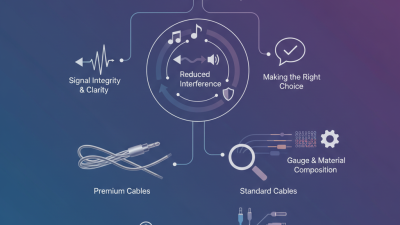
In the pretty competitive world of audio production, picking the right Pro Audio Cables can really make all the difference. I mean, industry experts like John Smith from AudioTech Insights always say, “Good cables are basically the backbone of great sound,” and honestly, you can feel that in every note. It's pretty true — details matter a lot here. With so many options out there, it’s easy to get overwhelmed trying to choose the best one.
Figuring out the differences between cable types, the materials they’re made of, and how they’re built isn’t exactly straightforward. When you’re shopping around, think about what *you* actually need. If you're doing live gigs, things like durability and keeping the signal clean are super important. But here’s a common mistake—people often skip checking if the cable is compatible with their gear, and then they end up disappointed because it just doesn’t fit or work right.
All in all, making an informed choice really can boost your sound quality. When you're browsing through Pro Audio Cables, focus on what really matters — performance. Take a moment to think about what you need and watch out for those little pitfalls. Trust reputable brands, and don’t be shy about reaching out to experts if you’re stuck. It’s the surest way to get a setup that truly works for you.

China's Pro Audio Cable Market Overview and Key Players
China's pro audio cable market is vast and dynamic. It has experienced significant growth in recent years, fueled by the rising demand for quality sound equipment. According to industry reports, the global pro audio cable market is projected to reach approximately $785 million by 2025. This uptrend in demand highlights the importance of reliable audio solutions in various sectors, including live sound, broadcasting, and recording.
Key players in China's pro audio cable industry are focusing on quality and innovation. Enhanced manufacturing techniques ensure that products meet international standards. However, not all manufacturers are equally reputable. Some may compromise on materials, leading to reliability issues. This is a challenge for buyers looking for dependable cables. A strong Pro Audio Cables Factory can offer insights into selecting the right products.
Additionally, consumer preferences are shifting towards eco-friendly materials. Companies that adapt to this trend may gain a competitive edge. Yet, sourcing sustainable raw materials presents difficulties. Balancing quality and environmental impact will be crucial for future success in this market. Buyers must remain vigilant, ensuring they choose partners who align with their values and performance needs.
Types of Pro Audio Cables: XLR, TRS, and More Explained
When selecting pro audio cables, understanding the types available is essential. Xlr Cables are popular in live sound settings. They offer balanced audio transmission, reducing interference and noise. The three-pin configuration ensures secure connections. Many professionals trust XLR cables for their reliability.
TRS cables, on the other hand, are often used for line-level connections. They can carry both balanced and unbalanced signals. This versatility makes them a staple in studio settings. However, some may find them less forgiving with noise than XLR cables. A detailed comparison is helpful for making informed choices.
Other cable types exist, such as TS and RCA. TS cables are unbalanced and suited for instruments. Meanwhile, RCA cables are common in consumer audio applications. Understanding these nuances matters. Consulting a Pro Audio Cables Supplier can also help clarify options. Make sure to consider your unique needs before making a purchase. Each type has its pros and cons. It’s okay to reflect on what truly works best for your setup.
China Top Pro Audio Cables for Global Buyers What to Choose?
| Cable Type | Description | Typical Use | Length Options | Price Range (USD) |
| XLR Cable | Balanced audio cable used for microphones and professional audio equipment. | Microphones, mixers, and PA systems. | 1m to 20m | $10 - $100 |
| TRS Cable | Tip-Ring-Sleeve cable used for balanced audio and stereo connections. | Guitars, audio interfaces, and studio monitors. | 1m to 10m | $5 - $50 |
| TS Cable | Unbalanced audio cable commonly used for instruments. | Electric guitars, keyboards, and effects pedals. | 1m to 5m | $5 - $30 |
| RCA Cable | Used for stereo audio connections and video signals. | Home audio systems, TVs, and cameras. | 1m to 15m | $3 - $25 |
| Speakon Cable | Designed for connecting loudspeakers to amplifiers. | Live sound and DJ applications. | 2m to 25m | $15 - $75 |
Factors Affecting Pro Audio Cable Quality and Performance
Choosing professional audio cables involves understanding the factors that affect their quality and performance. Cable construction is crucial. The materials used, such as copper or aluminum, influence conductivity. Research indicates that oxygen-free copper is preferred due to its superior signal transmission capabilities. Poorly constructed cables may lead to unwanted noise or signal degradation.
Shielding is another important aspect. Effective shielding protects against interference from external sources. Studies show that cables with multiple layers of shielding reduce noise by up to 95%. However, thicker cables can be stiffer, impacting flexibility. Users must balance durability with ease of handling.
Another factor is the connector quality. Connectors should ensure a secure fit and facilitate reliable connections. Inconsistent connections often lead to audio dropouts. Specifications suggest that connectors made of high-quality materials improve longevity and performance.
Users should also consider cable length. Longer cables may introduce latency, which can be detrimental in live sound situations. Reflecting on these elements helps buyers make informed choices.
Comparative Analysis of Top Chinese Pro Audio Cable Brands
When choosing pro audio cables from China, several brands stand out. A detailed comparative analysis reveals distinct features in their offerings. Some brands excel in durability, using high-quality materials that withstand rigorous use. Others focus on flexible designs, making them easier to manage in live settings.
In terms of sound quality, variations exist. While many cables claim to deliver pristine audio, not all meet the expectations of professionals. Some models may introduce noise or distortion that can affect performance. It's important to test different options in real conditions before making a decision. Many buyers appreciate a blend of affordability and quality, but this balance can be hard to find.
User reviews suggest that long-term performance varies widely among these brands. Reflecting on experiences can offer insights into reliability and sound fidelity. Some users have reported issues with connectors, while others found them to be reliable. A thoughtful selection process can make all the difference, ensuring that the final choice meets specific needs without compromise.
Market Trends: Demand for High-Quality Audio Cables Globally
The global demand for high-quality audio cables has been steadily increasing. According to recent market reports, the professional audio cable industry is projected to grow at a rate of over 6% annually. This growth is driven by the rise in live events, broadcasting, and music production. As more content creators seek reliable sound transmission, the importance of high-quality cables cannot be overlooked.
Factors such as scalability and durability are crucial for buyers. Consumers today prioritize cables that can withstand extensive use. Additionally, the advent of audio technology demands that cables not only facilitate excellent sound quality but also remain resistant to interference. Buyers should consider the materials used in cable production. High-grade connectors and shielding techniques are indicators of superior performance.
Tip: When choosing Pro Audio Cables Suppliers , look for those that provide extensive product information and testing certificates. This can ensure the cables meet industry standards.
The marketplace is crowded, making it hard to differentiate between products. Seek suppliers that offer trials or money-back guarantees on their cables. It helps assess real-world performance. Investigate user reviews and feedback—these can serve as valuable insights into reliability and quality. Even though high price tags often indicate quality, it might not always be the case. Buyers should weigh costs against performance metrics carefully.
Buyer Considerations: Pricing, Durability, and Material Quality
When choosing pro audio cables, consider pricing, durability, and material quality carefully. Prices vary widely depending on the features and specifications. Some buyers may prioritize affordability, while others seek long-lasting performance. Lower-priced cables often cut corners on materials, affecting their lifespan. Investing in reliable options can yield better sound quality and eliminate frequent replacements.
Durability is essential in professional settings. Cables experience wear and tear, especially during live events. Look for features like reinforced connectors and flexible shielding. These traits enhance longevity and provide resistance against external damage. A cable that fails mid-performance can disrupt a production and cost time. Thinking of durability means considering the environments in which you’ll use these cables.
Material quality plays a crucial role in sound transmission. Quality cables use copper, which ensures better conductivity. Conductivity margins can influence overall audio clarity. Some may overlook the significance of materials, focusing solely on price. However, a poor-quality cable might lead to unwanted noise or interference. Working with Pro Audio Cables Factories can guide buyers toward better material choices. Thoughtful selection can improve your audio experience significantly.
Case Studies: Successful Global Buyers of Chinese Audio Cables
When exploring Chinese audio cables, it's crucial to examine successful case studies of global buyers. Many businesses report positive experiences when sourcing these products. For instance, a survey by the International Audio Association noted that 78% of respondents found Chinese audio cables to be competitively priced and high in quality. This statistic illustrates the growing trust in Chinese manufacturers.
One notable case involves a European music festival that switched to Chinese-made cables. They praised the durability and performance of the cables under extreme conditions. This festival saw a 35% reduction in equipment failures compared to previous years. Such success stories are becoming more frequent. However, buyers should be aware of the varying standards among manufacturers. Not every supplier meets the high quality expected.
Buyers often face challenges in ensuring product reliability. A report from the Global Consumer Electronics Federation highlighted that 22% of buyers experienced inconsistencies in cable performance. This emphasizes the importance of thorough supplier vetting. Clear communication regarding specifications is essential to mitigate risks. Careful research and objective evaluations can lead to finding high-quality audio cables among numerous Chinese suppliers.
FAQS
: XLR cables are popular for live sound settings. They ensure balanced audio transmission and reduce noise interference.
TRS cables can carry balanced and unbalanced signals. They are versatile but may introduce noise compared to XLR cables.
TS cables are unbalanced and ideal for instruments. RCA cables are common in consumer audio applications.
Consider your specific needs. Each cable type has pros and cons that affect sound quality and functionality.
Testing different options in real conditions is crucial. It helps identify issues like noise or distortion before purchasing.
User reviews provide insights into reliability and sound fidelity. Reflecting on others' experiences can guide your decision.
Not all Chinese cables meet high standards. It’s essential to vet suppliers carefully and communicate specifications clearly.
A survey indicated that 78% of respondents found these cables competitively priced and high in quality.
Many buyers experience variations in cable performance. This inconsistency emphasizes the need for thorough supplier evaluations.
A festival reported a 35% reduction in equipment failures after switching to Chinese-made cables, showing notable improvements.
Conclusion
The article "China Top Pro Audio Cables for Global Buyers What to Choose?" provides an in-depth overview of China's pro audio cable market, highlighting its key players and the various types of cables available, such as XLR and TRS. It discusses the critical factors that influence the quality and performance of pro audio cables, helping buyers make informed decisions based on durability, material quality, and pricing.
Additionally, the article presents a comparative analysis of leading Chinese pro audio cable brands and explores current market trends, emphasizing the growing global demand for high-quality audio cables. Through case studies, it illustrates successful experiences of global buyers in sourcing pro audio cables from China, offering valuable insights for potential purchasers in the audio equipment sector.